
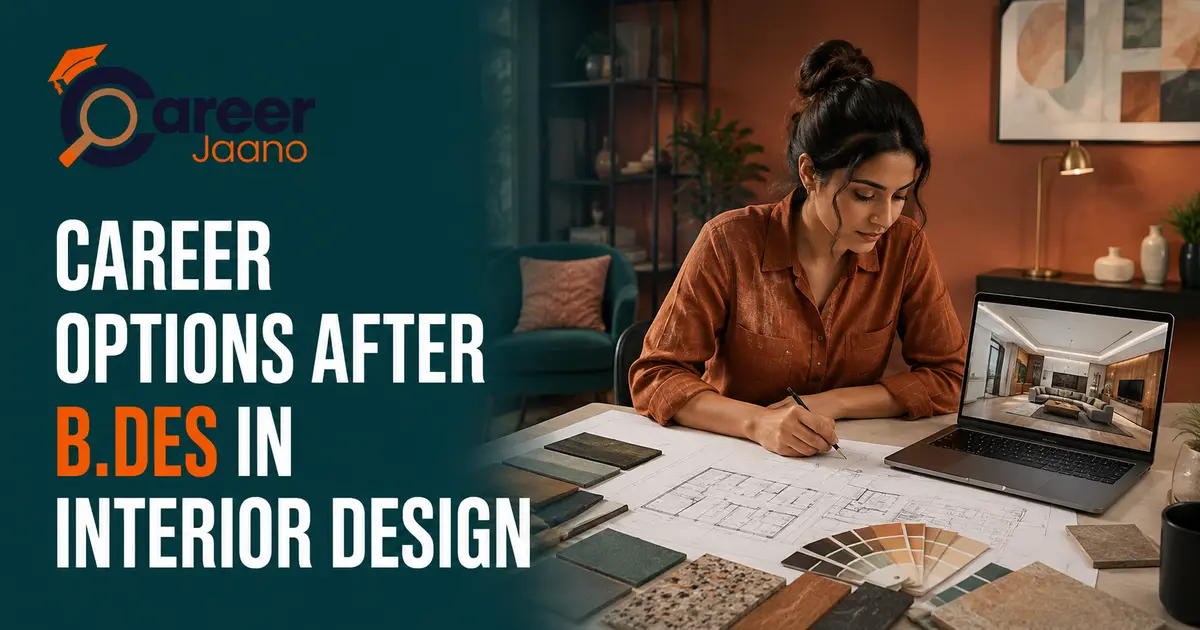
A Bachelor of Design in Interior Design, commonly known as B.Des in Interior Design, is a four-year undergraduate programme. It teaches students how to create indoor spaces that are attractive, practical, safe and comfortable.
During the course, students usually learn about:
Space planning
Furniture design
Interior materials
Lighting design
Colour theory
Building services
3D visualisation
AutoCAD
Sustainable design
Interior styling
Project management
Basic Vastu concepts
These subjects have practical value in the design and construction industry. Interior designers work on homes, offices, hotels, restaurants, hospitals, shopping malls and many other commercial spaces.
Space planning helps designers use the available area effectively. Lighting and colour selection improve the look and atmosphere of a space. Similarly, the right furniture and materials make an interior more comfortable, functional and durable.
The course helps students develop creative thinking, technical design skills and an understanding of modern infrastructure.
Popular Specialisations in Interior Design
Students can choose a specialisation according to their interests and career goals. Some popular options include:
Residential interior design
Commercial and office-space design
Furniture and product design
Lighting design
Exhibition and set design
Hospitality and hotel interior design
Sustainable and green interior design
3D visualisation and rendering
Retail and showroom design
Landscape and space styling
Luxury interior design
Vastu-based and traditional interior concepts
These specialisations are useful in projects related to modern buildings, luxury homes, corporate offices, hotels, restaurants, film and television sets, retail stores and smart infrastructure.
Why Industry Skills Matter
A degree alone may not be enough to build a successful career in interior design. Employers and clients also look for creativity, software knowledge, practical experience and a strong portfolio.
The interior design industry requires professionals who can balance beauty, comfort, functionality, budget and modern technology.
Important skills for interior design students include:
Space planning and design concept development
Knowledge of AutoCAD, SketchUp, 3ds Max, Revit and Photoshop
3D modelling and rendering
Colour coordination and material selection
Furniture and lighting design
Project management and budget planning
Client communication and design presentation
Creative thinking and problem-solving
Teamwork and communication
Experience through internships and live projects
Development of a professional design portfolio
A strong portfolio is especially important because it allows employers and clients to understand the designer’s creativity, technical skills and working style.
Career Options in the Private Sector
The interior design and infrastructure sector offers opportunities in architecture firms, real estate companies, design studios, furniture brands, hotels, retail businesses and construction companies.
1. Residential and Commercial Design
Professionals in this area design homes, apartments, offices and other commercial spaces.
Popular job roles include:
Interior Designer
Junior Design Consultant
Space Planner
Design Coordinator
Modular Kitchen Designer
Home Interior Specialist
2. 3D Design and Visualisation
3D visualisation helps clients understand how a space may look before the actual construction or renovation begins.
Career options include:
3D Visualiser
CAD Designer
3D Modelling Artist
Rendering Specialist
Design Presentation Specialist
3. Furniture and Product Design
Students interested in furniture and interior products can work with furniture brands, manufacturing companies and luxury interior businesses.
Popular roles include:
Furniture Design Assistant
Custom Product Designer
Furniture Layout Designer
Luxury Interior Product Consultant
4. Hospitality and Retail Design
Hotels, restaurants, cafés, shopping stores and showrooms require designers who can create attractive and customer-friendly spaces.
Career options include:
Hotel Interior Design Assistant
Restaurant Design Assistant
Retail Space Designer
Showroom Design Specialist
Visual Merchandising Coordinator
5. Set and Exhibition Design
Interior design graduates can also work in the entertainment, event and exhibition industries.
Popular roles include:
Film or Television Set Design Assistant
Event Designer
Exhibition Designer
Stage Design Assistant
Theme Design Specialist
Freelancing and Startup Opportunities
Interior design also offers good opportunities for freelancing and entrepreneurship. After gaining industry experience, professionals may start their own design studio or offer specialised services.
Possible options include:
Starting an interior design studio
Working as a freelance interior designer
Becoming an interior stylist
Working as a project coordinator
Providing 3D visualisation services
Creating design-related content for social media
Offering furniture and décor consultation
Providing Vastu and space-planning consultation
Starting a business requires design skills as well as knowledge of budgeting, client management, marketing and project execution.
Salary in the Private Sector
The salary of an interior designer depends on their skills, portfolio, location, employer and project experience.
Approximate salary ranges may be:
Freshers: ₹3.5 lakh to ₹6.5 lakh per year
Professionals with 5–10 years of experience: ₹8 lakh to ₹22 lakh per year
Professionals working on luxury projects, managing their own studios or working with international firms may earn more. These figures are only approximate and can vary considerably.
Career Options in the Government Sector
Government opportunities for interior design graduates may be available through infrastructure projects, public buildings, educational institutions, museums, exhibitions and urban development programmes.
However, eligibility depends on the qualifications and experience required for each vacancy. Students should always read the official recruitment notification before applying.
1. Public Works and Infrastructure Projects
Interior design graduates may find project-based or contractual opportunities in:
Government building projects
Public-space planning
Smart city projects
Interior planning for public facilities
Infrastructure consultancy projects
2. Design and Technical Education
Students interested in teaching may work in design institutes, polytechnics or skill-development centres. Some teaching positions may require a postgraduate degree or additional qualifications.
Possible roles include:
Interior Design Instructor
Design Faculty Assistant
Polytechnic Lecturer
Skill Development Trainer
3. Museums and Cultural Institutions
Museums, cultural centres and government exhibitions may require professionals for:
Exhibition planning
Museum display design
Space styling
Cultural event design
4. Public-Sector and Development Organisations
Opportunities may also be available in:
Housing projects
Urban development organisations
Government real estate projects
Infrastructure development boards
Public-sector consultancy projects
5. Government Support for Entrepreneurship
Graduates planning to start a design business may explore suitable government entrepreneurship schemes, such as:
MUDRA loans
Startup India programmes
Skill-development schemes
Women and youth entrepreneurship programmes
Eligibility and benefits vary, so applicants should check the latest information on the relevant official government portal.
Salary in the Government Sector
Salary depends on the department, position, employment type and applicable pay scale.
Approximate salary ranges may be:
Entry-level roles: ₹3.5 lakh to ₹7 lakh per year
Experienced or senior roles: ₹8 lakh to ₹18 lakh per year
Contractual, consultancy and project-based positions may follow different payment structures.
Higher-Study Options After B.Des in Interior Design
Higher education can help students develop specialised skills and prepare for senior, academic or international roles.
Popular options include:
Master of Design in Interior or Spatial Design
MBA in Design Management
Master’s programme in Furniture and Product Design
Sustainable and Green Building Design
3D Visualisation and Digital Design
Hospitality and Luxury Space Design
Set and Exhibition Design
Vastu and Traditional Design Studies
Entrepreneurship and Design Business Management
Students should select a programme based on their career interests, course curriculum, recognition, practical training and placement opportunities.
How to Build a Successful Career in Interior Design
Students can improve their career prospects by following a few practical steps:
Learn important design software.
Create a strong and updated portfolio.
Take internships with architecture or interior design firms.
Work on live projects whenever possible.
Understand materials, lighting, furniture and construction basics.
Improve communication and presentation skills.
Follow current interior design trends.
Build professional connections with designers, architects and contractors.
Learn how to prepare project budgets and timelines.
Develop a personal design style without ignoring the client’s needs.
Conclusion
A Bachelor of Design in Interior Design can lead to creative and rewarding career opportunities in residential design, commercial spaces, furniture, hospitality, retail, exhibitions, luxury interiors and modern infrastructure.
Success in this field depends on more than just a degree. Students need a strong portfolio, software knowledge, practical experience, creativity and good communication skills.
With the right specialisation and regular skill development, graduates can work with established firms, take up freelance projects or start their own interior design business.
Before selecting any course or career path, students should consider their interests, abilities and long-term goals. They can also consult a qualified career counsellor and explore more career guidance resources onCareer Jaano